This article simplifies the complex cybersecurity landscape, highlighting the vulnerabilities, legal responsibilities, and effective strategies necessary for law firms to safeguard their information.
Along with these strategies, we’ll discuss how IT support, especially Uptime Manage, can be surprisingly effective for handing off some of these responsibilities to providers who have invested heavily in secure data management.
Keep reading to discover how your law firm can navigate and overcome these cyber challenges, ensuring robust protection for your clients and your practice in the digital landscape.
Introduction to Cybersecurity for Law Firms
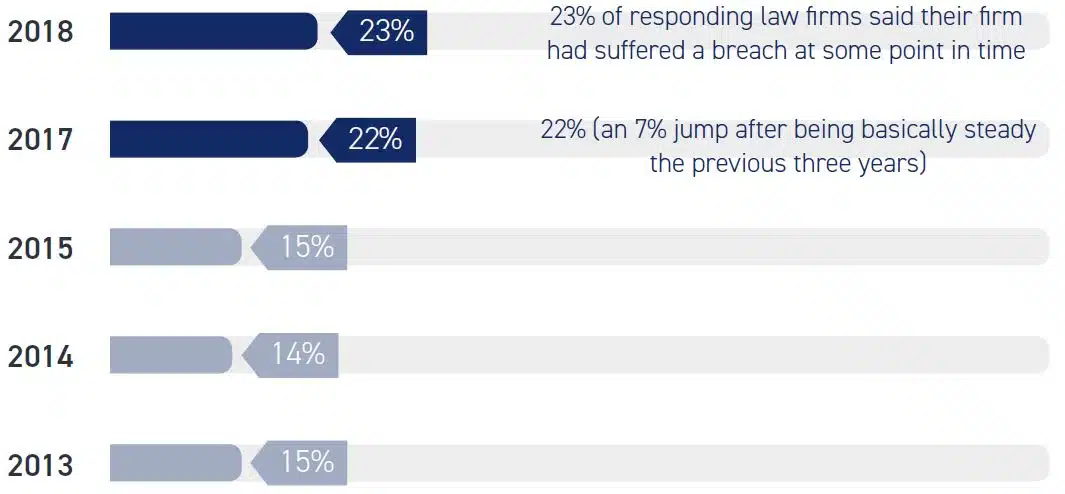
In response to the American Bar Association’s (ABA) survey, 29% of law firms responded saying they experienced a security breach.
Cybersecurity has become a cornerstone concern for every industry, but is particularly important for law firms. Since you are entrusted with safeguarding highly sensitive client information, you’re now a target for cybercriminals and must take proactive measures.
Embracing robust cybersecurity strategies is now a fundamental aspect of legal practice, integral to maintaining client trust and upholding professional standards. I understand that this sounds like a lot of responsibility and intricacy for a law firm that would rather serve clients than manage their cybersecurity.
However, by choosing optimal practices and a trusted IT partner, your data can be exponentially more secure than in-house storage.
Keep in mind that cybersecurity is a vital aspect of keeping the lights on and your clients protected, so let’s set up a plan for your law firm.
IT Support for Law Firms:
Understanding your options for support is essential to knowing what to expect when something hits the fan — or better yet, before something does.
Cybersecurity Risks for Law Firms
Since digital information is now as valuable as physical assets (if not more so), law firms face a myriad of cybersecurity threats. Cybercriminals often target law firms due to the wealth of sensitive client information they hold, ranging from personal data to confidential business matters.
These threats are not just technologically advanced but are also becoming more sophisticated in their approach.
With this in mind, let’s cover some of the risks that you need to be aware of, so you’ll be prepared to defend your firm.

Law Firm Disaster Recovery and Business Continuity Planning:
Maintaining uptime and stability matters foremost. When disaster does strike, ensure you have a plan (or hire someone who does).
Legal and Ethical Duties as a Law Firm
I don’t have to tell you, someone from a law firm, how important the legal and ethical responsibilities surrounding cybersecurity are. Failing to take proper measures could lead to lawsuits and distrust in the communities you serve.
Law firms are inherently bound by a duty of confidentiality and a responsibility to protect client information, a mandate that extends to digital data.
Let’s cover what that entails.
Understanding these principles is not just a matter of legal compliance but also a cornerstone of ethical practice and client trust.
As the digital landscape evolves, so too must the approaches law firms take to protect sensitive information. This commitment to cybersecurity is a reflection of a firm’s dedication to its clients and the integrity of the legal profession itself.
Don’t forget — as technology advances, so do cyber-attacks. Take a look at these statistics from the ABA Legal Technology Survey Report.
Cybersecurity Tips for Law Firms
Adopting best practices in cybersecurity is not merely a reactive measure; it’s a proactive strategy essential for the modern law firm.
This section provides helpful tips that law firms should implement to strengthen their defense against digital threats, ensuring the security of their data and the trust of their clients.
Let’s explore these practices, which range from risk assessments to incident response planning, each a critical piece in the cybersecurity puzzle.

As you can see, not only do servers require a substantial upfront investment, but the frequency of server failure starts at 5% and increases with each year. At the 4-year mark, the chance of failure more than doubles and nears 20% by the 7th year.
For becoming serverless, we recommend either opting for cloud-based software or finding a cloud-host, such as Uptime Cloud, to store and manage your server-based software on your behalf.
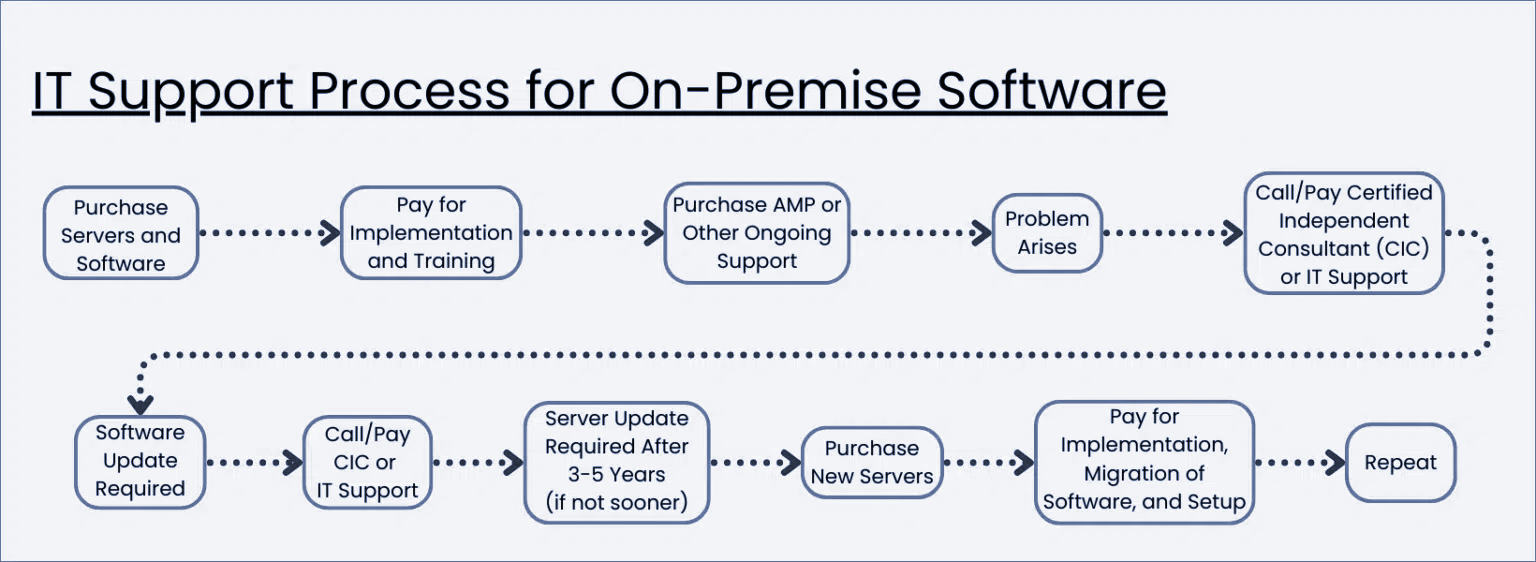
However, if you decide to pursue a cloud-hosted solution, your setup process is simpler and your IT support is both easily and readily available.
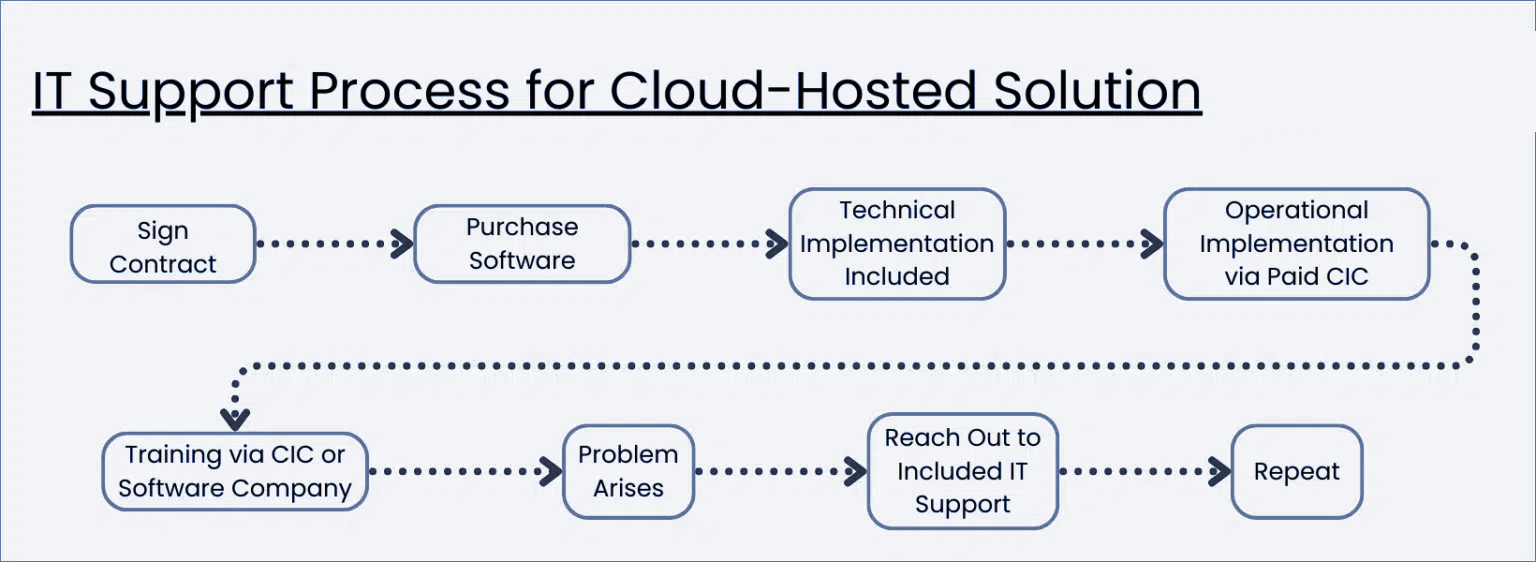
By integrating these cybersecurity best practices, law firms can significantly elevate their defense mechanisms against the ever-changing cyber threats.
These measures go beyond mere compliance; they embed a culture of security within the firm.
With the right approach to cybersecurity, law firms not only protect their sensitive data but also fortify their reputation and trust in the community.

Next Steps for Your Law Firm’s Cybersecurity
As law firms navigate the complexities of cybersecurity in the digital era, taking proactive steps is essential.
The journey towards enhanced cybersecurity involves several key actions:
1. Evaluate Current Cybersecurity Posture
Begin by conducting a thorough assessment of your firm’s existing cybersecurity measures.
This includes reviewing current security protocols, software, hardware, and employee cybersecurity awareness. Identifying vulnerabilities and areas for improvement is critical in shaping an effective cybersecurity strategy.
2. Develop a Comprehensive Cybersecurity Plan
Integrate the insights and best practices discussed into a detailed cybersecurity plan.
This should encompass policies on data protection, incident response, risk management, and compliance with legal standards.
3. Implement Cloud-Based Solutions
Transition to private cloud services for better security and operational efficiency.
Cloud solutions offer advanced security features, data encryption, and remote access, making them ideal for modern law firms seeking to enhance their cybersecurity infrastructure.
4. Partner with Specialized IT Support
Engage IT support providers who specialize in legal technology and cybersecurity.
These experts can offer tailored solutions, ongoing support, and proactive monitoring to address the unique cybersecurity needs of your law firm.
5. Regular Training and Awareness
Develop ongoing training programs to educate your staff about cybersecurity.
Regular updates on new threats, best practices for data handling, and training on identifying phishing attempts are crucial in building a security-conscious culture within your firm.
6. Stay Informed and Agile
Keep up to date with the latest cybersecurity trends, threats, and technological advancements.
Being agile allows your firm to adapt quickly to new threats and implement the latest cybersecurity measures to protect client data effectively.
By following these steps, law firms can ensure a successful migration to managed cloud services, positioning themselves for enhanced efficiency and growth.
Frequently Asked Questions

Uptime Legal’s Technology Solutions
Cloud, software, IT, and document management built for today’s law firms.